🐶 Dog behavior · common

What does it mean when a dog wags its tail?

Dog behavior · Tail Wagging

Which statement about dog tail wagging is TRUE?
Pawclue turns this into a 10-second daily guess — play today's.
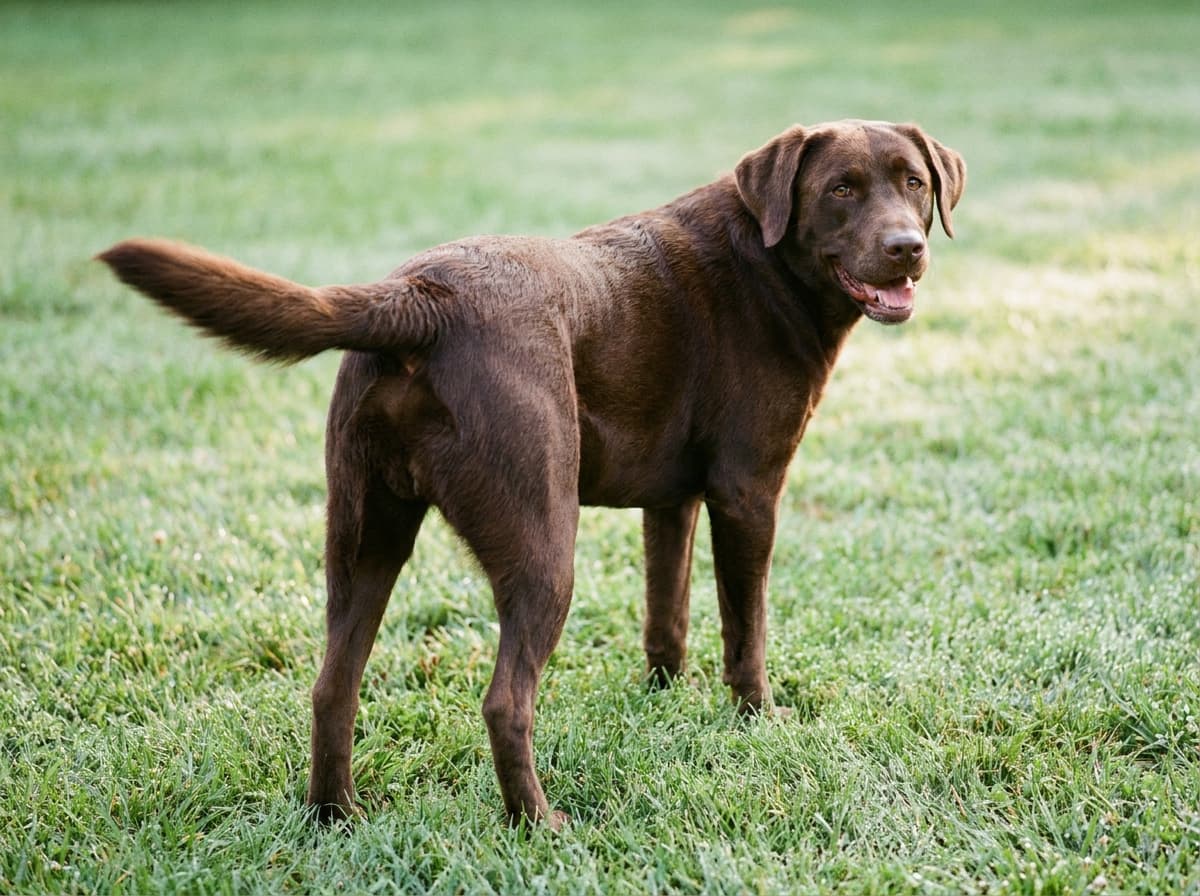
Tail Wagging — Dog with tail wagging
Dog with tail wagging
Short answer

Tail wag direction (left vs right) carries emotional meaning

Collectible · common
PAWCLUE · COMMON Tail Talker DOG · №14
2–4 tries
Regular stamp
PAWCLUE · COMMON Tail Talker DOG · №14 PERFECT
1st try · Perfect
Gold frame

What it actually means

Tail wagging is NOT a universal happiness signal. Right-biased wags (from the dog's perspective) are linked to positive emotion; left-biased wags to negative. Fast low wags can signal anxiety; high stiff wags can signal arousal that may tip into aggression.

Everyone "knows" a wagging tail means a happy dog, and that's the single most common piece of dog-body-language folklore, and one of the most misleading. A wag means the dog is emotionally aroused and engaged, but arousal can be friendly, anxious, or building toward a bite, so the wag by itself doesn't tell you which.

Researchers have found the details carry real meaning. The position matters: a tail held high and stiff while wagging signals heightened arousal and confidence that can tip into a warning, while a low, loose wag can mean nervousness or appeasement, and a relaxed mid-height sweep usually reads as genuinely friendly. There's even evidence the direction has emotional weight, with wags biased to the dog's right linked to positive feelings and wags biased to the left to negative ones, reflecting how the two brain hemispheres process experience.

The mistake that gets people bitten is reaching for any dog that's wagging. A tall, fast, stiff wag on a tense, frozen body is not an invitation, it's a dog that's highly stirred up and possibly about to react. The wag is real, the friendliness is assumed, and the assumption is where it goes wrong.

The fix is to read the whole dog, not just the tail. A soft, wiggly body with a loose mid-height wag and a relaxed face is a happy dog you can greet. A stiff body, hard eyes, closed mouth, and a high rigid wag means give space and don't reach in. Teaching kids this distinction in particular prevents a lot of avoidable bites, since "the tail was wagging" is such a common line after one.

What to do

Read the WHOLE dog. Soft loose body + neutral-height wag = happy. Stiff body + high fast wag = caution.

📚 Source: Quaranta et al., 2007, Current Biology — demonstrated lateralized tail-wagging linked to brain hemisphere processing positive vs negative stimuli.

Test your knowledge

Which statement about dog tail wagging is TRUE?

  1. All tail wagging means the dog is happy
  2. Tail wag direction (left vs right) carries emotional meaning✓ correct
  3. Tail wagging is purely an attention-getting behavior
  4. Only puppies wag their tails

Pawclue turns one pet behavior into a 10-second daily guess — free, no signup.

Play today's puzzle →

More dog behaviors