🐶 Dog behavior · rare
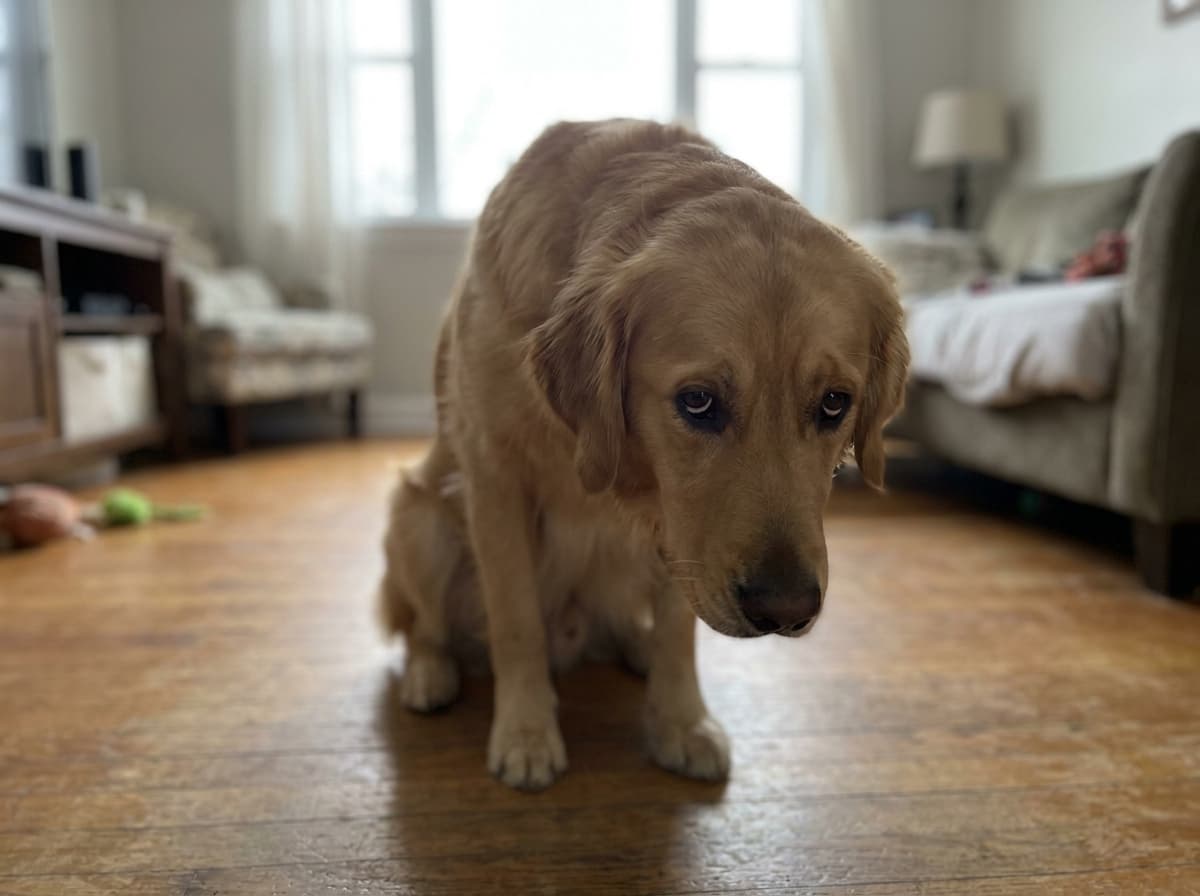
The Guilty Look
Your dog has the classic "guilty look" — ears back, head low, avoiding eye contact — after destroying something. The most accurate interpretation:
Short answer
Appeasement response to your body language, not actual guilt
Collectible · rare
2–4 tries
Regular stamp
1st try · Perfect
Gold frame + celebrating sticker
What it actually means
Research has repeatedly shown the "guilty look" appears whether the dog actually did something wrong or not — it's a response to the OWNER'S frustrated body language, not to the destroyed item. Dogs cannot connect past actions with present punishment.
What to do
Scolding a dog after-the-fact teaches fear of you, not the lesson you intended. Manage the environment (close doors, crate when away) instead.
📚 Source: Horowitz, 2009, Behavioural Processes — "Disambiguating the 'guilty look'" — owners triggered the look by scolding regardless of whether the dog had transgressed.
Test your knowledge
Your dog has the classic "guilty look" — ears back, head low, avoiding eye contact — after destroying something. The most accurate interpretation:
- The dog knows it did something wrong
- Appeasement response to your body language, not actual guilt✓ correct
- The dog is asking for forgiveness
- It's a learned behavior to avoid punishment